Research


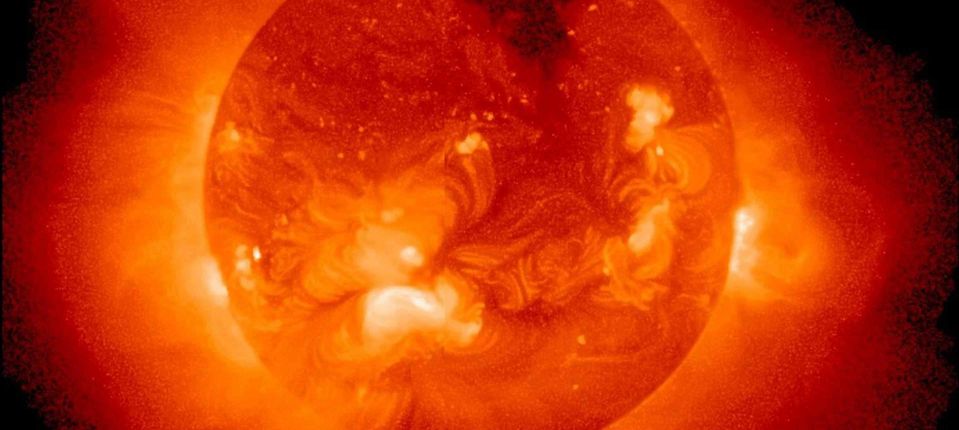
The Sun

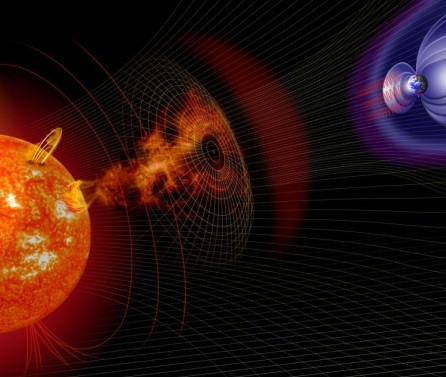
As our nearest star, the Sun's influence dominates within the Solar System. Our research focuses on how the energy output varies on a number of time scales, ranging from very short-lived and highly energetic flares to long-term changes that result from variations in the Sun's surface magnetic flux distribution and may influence the Earth's climate.

read more

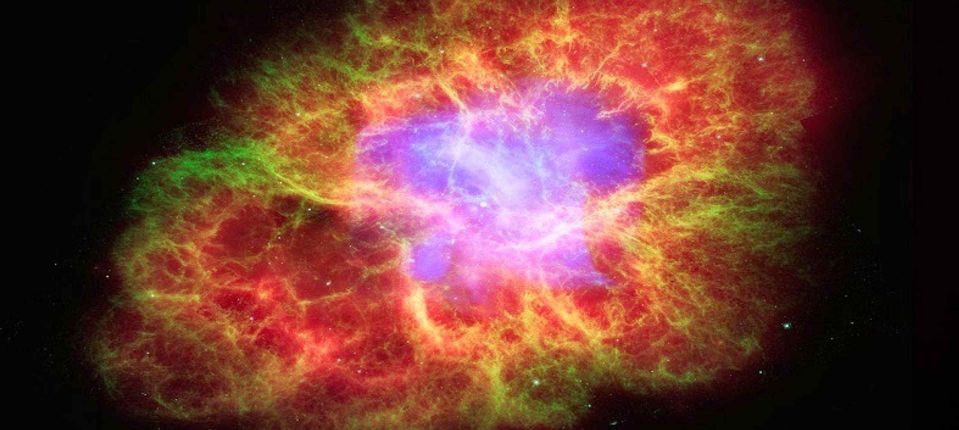
Stars, Planets and Origins

Understanding the formation, evolution and properties of stars and planets in our galaxy, placing our own Solar System in this larger context and, ultimately, deciphering the origins of life, is the oldest astronomical endeavour, and remains one of the cornerstones of modern astrophysical research.  At Imperial, we address these issues through a wide variety of observational and theoretical techniques.       


read more

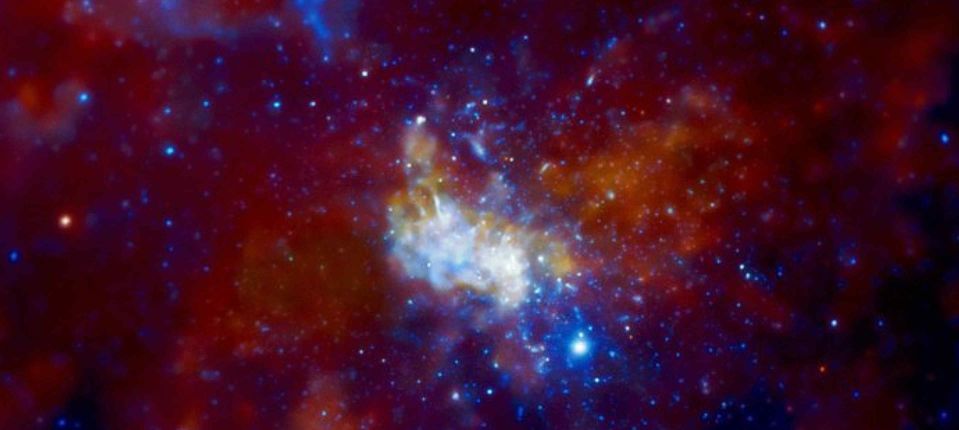
Black Holes and Extreme Astrophysics

We study the astrophysics of extreme environments, close to the black holes in active galactic nuclei (AGN). We are also exploring the interplay and relative importance of black hole accretion and star formation in galaxies, both in individual objects and in the cosmological context.

read more

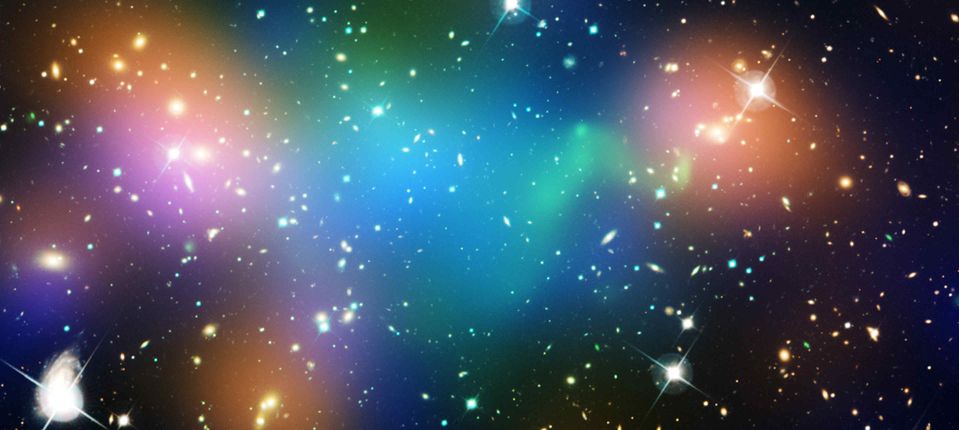
Galaxy Evolution

The different evolutionary histories of stars of different masses are understood quite well. Galaxies are more complex, because they are affected by environment, and feedback, and they contain dark matter, supermassive black holes, and dust. The grand goal is to develop a theory which explains the full range of structures we see in our telescopes. Our research in this area is mostly observational, gathering data on galaxies at wavelengths from X-rays to radio, with which to confront theoretical predictions.

read more

Cosmology and Astrostatistics 

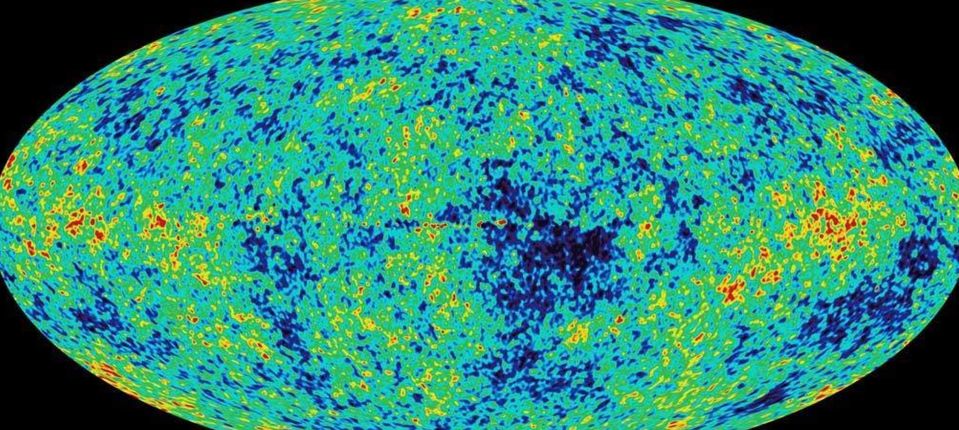
Cosmology is the science of studying the Universe as a whole, its origin, its composition and its properties. We are particularly interested in investigating the cosmic microwave background, the relic radiation from the Big Bang, and in developing and deploying advanced statistical techniques to compare theory and observations.

read more

Missions and Projects

The Astrophysics Group is involved in a wide range of major projects covering areas of astrophysics from the local galactic environment to the cosmic microwave background and the beginning of the universe. Some of these use major satellite observatories, such as the Herschel and Planck satellites launched in the middle of 2009. Others use existing ground and space based observatories such as the Chandra X-ray satellite or the James Clarke Maxwell Telescope, while still more are in the early stages of planning such as the IXO International X-Ray Observatory.

read more